AI-Native Guided Imagery for Supportive Care

Making guided imagery a scalable part of supportive care

TederHealth turns a well-established mind-body practice into a scalable, measurable supportive-care service - generating personal guided imagery sessions and delivering them across hospital and home settings, without adding clinician time.

600+
Active users in our live technical proof-of-concept
2
Investigator-initiated studies in preparation with Israeli medical centres
Decades
Of peer-reviewed evidence behind guided imagery
$946B
Global digital health market by 2030
The gap

The hardest days are the ones no one is there for.

Care is delivered in appointments. Distress is not. It fills the days before a procedure, the days between treatments, and the weeks after discharge, when the patient is alone with it.

Diagnosis
Surgery
Treatment
Discharge
the days before between treatments the weeks after
These are the only points of clinical contact. The stretches in between, the patient faces alone.
How guided imagery reaches patients today

A practitioner

A trained guided imagery practitioner, one to one. Excellent, and scarce. One appointment a week, if you are lucky and if you can pay.

A generic recording

The same pre-recorded track for everyone. General by design: not shaped around the individual patient, their situation, or where they are in their care.

Nothing at all

Which is what most patients are offered. Guided imagery reaches only a small fraction of those who could enjoy it.

The practice is established. What is missing is the delivery: personal guided imagery, at scale, without clinician time.
The platform

One method. A different session for every patient.

Same practice, same platform. Two patients, two conditions, two moments in a treatment pathway, and two entirely different sessions. This individualization is what a practitioner provides and a recording cannot.

  • Generated by AI, not curated. Every session is written by the system for that patient, their condition and their treatment plan.
  • No clinician time after enrollment.
  • Adaptive. Sessions change in response to the patient's feedback.
  • About five minutes, patient-initiated, available in multiple languages.
  • Runs on the patient's own phone, at home. No hardware, no devices, nothing for the hospital to procure.
Patient A · Recovering after surgery
"Picture yourself at the park again on a Sunday afternoon, walking easily, your grandchildren running ahead of you..."
Patient B · During chemotherapy
"Picture yourself feeling well and full of energy, back in your own routine, with the whole day ahead of you..."

We have a working demo. Clinicians and partners can hear a short personal session on request.

Request a demo
Fit with clinical workflow

Almost no work for the clinician or the care team.

01

Enrollment

The clinician adds the patient in a few minutes, once. This is the only step that asks for their time.

02

Generation

Every session is written and delivered by the platform. Nothing to prepare, schedule or staff.

03

Use

A daily reminder. The patient starts a session of about five minutes themselves, at home, whenever it suits them.

04

Evaluation

How many sessions were completed, and how often. Available to the care team at any time, already collected and summarised.

The whole point

A care team can offer this to a patient without adding an appointment, a rota line, or a piece of equipment. Enrollment is the beginning and the end of their involvement.

Guided imagery, personalized to each patient

Continuous mind-body support - in the hospital and at home.

The science

What guided imagery is - and why it works

Guided imagery is a structured mind-body technique that uses directed, multisensory mental imagery to influence physiological and psychological states. Decades of research show the brain treats vividly imagined experience much like real experience - which is the basis for the practice.

🧠

Imagined ≈ real, to the brain

Vividly imagined actions and scenes activate many of the same sensory, motor, and autonomic neural circuits as the real experience. Mental rehearsal engages the brain much like genuine practice does.

🔗

Neuroplasticity - repetition rewires

Structured, repeated imagery strengthens neural pathways - "neurons that fire together wire together." Consistent practice can drive lasting functional change, similar to physical training.

🫀

Mind-body regulation

Research on guided imagery describes effects on autonomic arousal and on how people experience discomfort. This is a description of the field's literature, not a claim about our platform.

This basis is reflected in the outcomes reported across decades of independent peer-reviewed studies (below).

Evidence base

The practice is established. The delivery is not solved.

Guided imagery is supported across multiple clinical domains, with measurable benefits reported in the peer-reviewed literature (see selected studies below). The practice has decades of peer-reviewed support - what has been missing is the infrastructure to deliver it at scale.

↓ Length of hospital stay ↓ Pharmaceutical utilization ↓ Pain & anxiety scores ↑ Treatment adherence ↑ Patient-reported outcomes
🧠

Mind-body practice

A non-pharmacological practice with decades of peer-reviewed support.

📊

Measurable

Designed to produce structured, session-level engagement data.

🏥

Care-pathway ready

Built to fit real hospital and home care workflows.

🧩

Adoption path

Built to sit inside existing supportive care services, with no new regulatory route required to pilot.

Selected peer-reviewed research

These findings come from independent peer-reviewed studies evaluating guided imagery as a clinical modality. They are not evaluations of the TederHealth platform.

~$2,003 / Procedure

A payer-delivered presurgical program (905 health-plan members) cut pharmacy costs and total billed charges by 14% each - about $2,003 saved per procedure - alongside reduced anxiety and high satisfaction.

Schwab et al., Advances in Mind-Body Medicine, 2007 · PubMed
−43% Opioid Use

A randomized controlled trial in colorectal surgery: total opioid use fell from 326 mg to 185 mg, with less pain and anxiety, faster recovery, and higher patient satisfaction.

Tusek et al., Diseases of the Colon & Rectum, 1997 · PubMed
↓ Stay & Costs

A cardiac-surgery program reported shorter average length of stay and lower pharmacy and pain-medication costs, while maintaining high patient satisfaction.

Halpin et al., Outcomes Management, 2002 · PubMed
Meta-Analysis

A pooled analysis of randomized trials found preoperative guided imagery significantly reduces anxiety and postoperative pain - "an effective, easy and low-cost intervention."

Álvarez-García & Şimşek Yaban, Complementary Therapies in Clinical Practice, 2020 · PubMed
Headphones

Built for real care settings

Designed to integrate into hospital and home care pathways.

Traction & clinical pipeline

From technical proof of concept to clinical studies

✅

Proof of concept

600+ active users, each receiving personal, AI-generated guided imagery sessions twice a week, with engagement tracked throughout. A non-clinical deployment demonstrating the technology at scale.

🔬

Clinical studies

Two investigator-initiated studies in preparation with Israeli medical centres, in gastroenterology and IVF. None has yet been submitted to an ethics committee.

🤝

Pilot discussions

Advanced discussions on pilots ahead of commercial use with three further leading Israeli medical centres.

Grounded in a curated database of peer-reviewed studies across clinical domains including:
Oncology Cardiac Obstetric Pediatric Neurologic Orthopedic Gastrointestinal Gynecologic Urologic Renal / Nephrology Critical Care / ICU Presurgical Burns / Wound Care Dental Psychiatric
Market opportunity

A shift that's becoming inevitable

$946B

The US digital health market alone is projected to reach about $277B by 2030, within a global market approaching $946B - part of a broader shift in supportive care. Pressure to cut cost of care, improve outcomes, and reduce reliance on medication is making AI-native, scalable supportive-care tools inevitable.

Source: Grand View Research, 2025

Hospital systems → Payers → Integrated care pathways
Founder's note

Why we built TederHealth

"I've been the patient. TederHealth is what I wish someone had offered me."
Ron Adany, Founder

My background is in technology and academia - a PhD in computer science, more than a decade teaching at Bar-Ilan and Reichman University, and a few startups along the way. I never imagined it would lead me here.

Years ago, while facing a health challenge of my own, I encountered guided imagery for the first time. It moved me in a way I hadn't expected, and it stayed with me. I felt I couldn't keep it to myself - so I trained as a practitioner at the Wingate Institute and opened my own clinic to bring it to others.

Working with patients, one thing kept weighing on me: this practice can mean so much to a person, yet it reaches so few. One practitioner, one room, a handful of people a week - and everyone else left on their own.

That is why I built TederHealth - to bring my two worlds together, technology and guided imagery, so that something this human can reach far more of the people who could use it.
Team & advisors

Bridging AI systems and hands-on mind-body practice

A founder combining deep technical execution with hands-on guided imagery practice, backed by senior clinical, regulatory and engineering advisors.

Founder
Ron Adany

Ron Adany, PhD

Founder & CEO

A serial entrepreneur who has founded and led multiple startups across fintech, e-commerce, and wellness - backed by a PhD in Computer Science. Ron is also a certified guided imagery practitioner (Wingate Institute) treating patients at his own clinic - a rare blend of technologist and hands-on practitioner.

At TederHealth he leads strategy, partnerships and business development, bringing the practice and the technology together.

Guided imagery
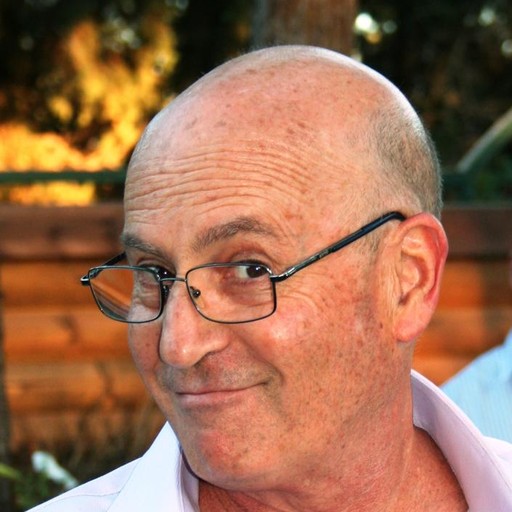
Prof. Zahi Arnon

Prof. Zahi Arnon

Clinical & Scientific Advisor, Guided Imagery

Prof. Zahi Arnon is an expert in clinical psychology, medical psychology and hypnosis, with 35 years in the field. He is a former Chair of the Israeli Society of Hypnosis, and headed the Mind-Body unit at Bnai Zion Medical Center, Haifa, where as a medical psychologist he applied hypnosis and imagery before, during and after medical procedures.

He heads the M.A. program in Medical Psychology at the Max Stern Yezreel Valley College, where he has taught guided imagery for 10 years, and is the author of several books, including one on guided imagery.

He advises TederHealth on the clinical quality of guided imagery content, including review, oversight and quality criteria.

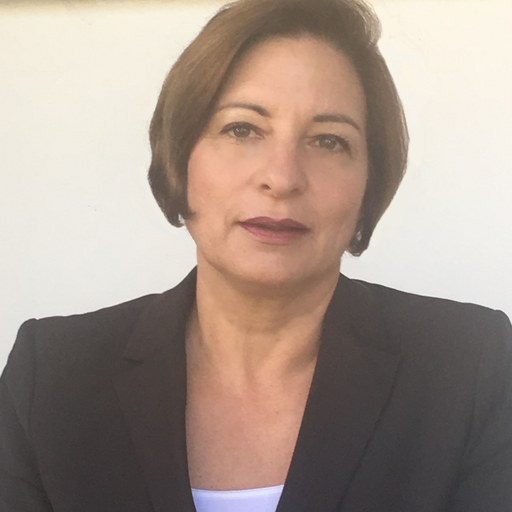
Dr. Mira Cohen Starkman

Mira Cohen Starkman, PhD

Clinical & Academic Advisor, Guided Imagery

Mira Cohen Starkman, PhD, is a researcher, educator, and clinical practitioner in guided imagery, natural medicine, and personal development, active since 2000. She founded and led the Naturopathy Department at Israel's Wingate Institute, serving for 17 years as senior lecturer and clinical supervisor. She also led guided imagery interventions at Dana Children's Hospital, Ichilov, mentoring students who supported patients, families, and medical staff.

She earned her doctorate at Bar-Ilan University and is the author of three books and a monograph.

She advises TederHealth on guided imagery.

Clinical trials, regulatory & research
Tsvia Erlich

Tsvia Erlich

Regulatory Advisor

Regulatory & clinical-affairs leader with 25+ years in life sciences (medical devices & IVD), including VP roles at startups and international healthcare companies. She has driven regulatory strategies that won market clearance across the EU, USA, Israel and additional markets worldwide, and designed and run multinational, multi-site clinical trials.

Founder of N.G.I.T. Premium Consulting, supporting 70+ medical-device companies across quality systems, design control, and FDA / notified-body submissions (510(k), De Novo, PMA and Technical Documentation).

She advises TederHealth on regulatory strategy, clinical-trial design and conduct in compliance with GCP.

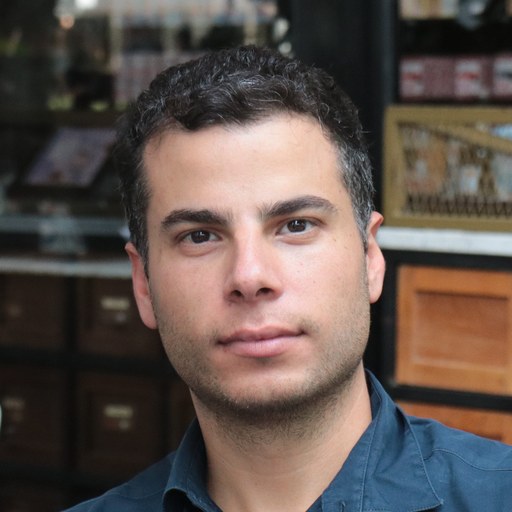
Omer Goren

Omer Goren, PhD

Research Advisor

Omer Goren is a psychology researcher with a PhD from Bar-Ilan University, specializing in psychophysiology and the measurement of psychological processes in psychotherapy research. His work integrates physiological data, validated self-report measures, and quantitative research methods.

He advises TederHealth on research methodology.

Technology
Ori Grundstein

Ori Grundstein

AI Systems Architect, Advisor

Software architect and AI systems engineer with 17+ years building enterprise-scale systems - an early engineer at Fiverr (NYSE: FVRR) and backend architect at Upright (acquired by DarioHealth).

He advises TederHealth on system architecture and on building production-ready, secure and scalable AI.

FAQ

Common questions

What is guided imagery?

A structured mind-body practice that uses guided, multisensory mental imagery: a narrator leads the listener through a vivid, personally relevant scene. It has been studied for decades across many clinical settings as a supportive, non-pharmacological practice.

How is it delivered to patients?

A clinician enrolls the patient once. From there the platform generates and delivers short personal sessions - about five minutes each - to the patient's own phone, at home or in hospital. No clinician time is needed after enrollment, and there is no hardware or device to procure.

Who is it for?

Patients going through a medical journey - before a procedure, between treatments, or after discharge - as a complement to their usual care. Sessions are personalized to each patient's situation.

Is it a treatment, or a replacement for medical care?

No. TederHealth is a complementary, supportive-care service designed to be used alongside conventional medical care. It is not a medical device and not a replacement for medical treatment.

Can an individual sign up directly?

No. TederHealth is available only through a healthcare provider - a clinician, hospital, health system or insurer - who offers it to their patients. It is not a direct-to-consumer product.

What does it cost, and who pays?

TederHealth is provided to healthcare organizations rather than sold to individuals. Commercial models are being developed together with our early partners.

Get in touch

Partner with us on a pilot

We work with hospital systems, payers, and research partners. Tell us about your setting and let's explore a pilot or collaboration.